



Following the devastating earthquake that struck eastern Afghanistan on August 31, 2025, World in Peace partnered with local organization LEARN Afghan to provide emergency humanitarian assistance to affected communities. Within 72 hours of the disaster, an emergency response team was deployed to support affected people through medical care, the provision of essential medicines, and hygiene assistance.
Project Overview
| Location | Kunar Province and Jalalabad, eastern Afghanistan |
|---|---|
| Project Period | September 1 – November 26, 2025 |
| Focus Areas | Disaster Relief; Medical and Hygiene Support |
| Beneficiaries | More than 300 people, in addition to an unspecified number of others |
| Total Expenditure | ¥153,348 |
Background
At 11:47 p.m. local time on August 31, 2025, a magnitude 6.0 earthquake struck eastern Afghanistan. The disaster claimed more than 2,000 lives and affected approximately 500,000 people, causing extensive damage to local communities. In the aftermath, urgent humanitarian assistance was needed, including medical care for injured people, access to essential medicines and hygiene supplies, and measures to prevent the spread of infectious diseases.
Main Activities
1. Deployment of an Emergency Response Team
In partnership with local organization LEARN Afghan, World in Peace deployed an eight-member emergency response team to the affected area within 72 hours of the earthquake.
The team provided medical, hygiene, and humanitarian assistance in response to local needs, working to support the health and well-being of people affected by the disaster.
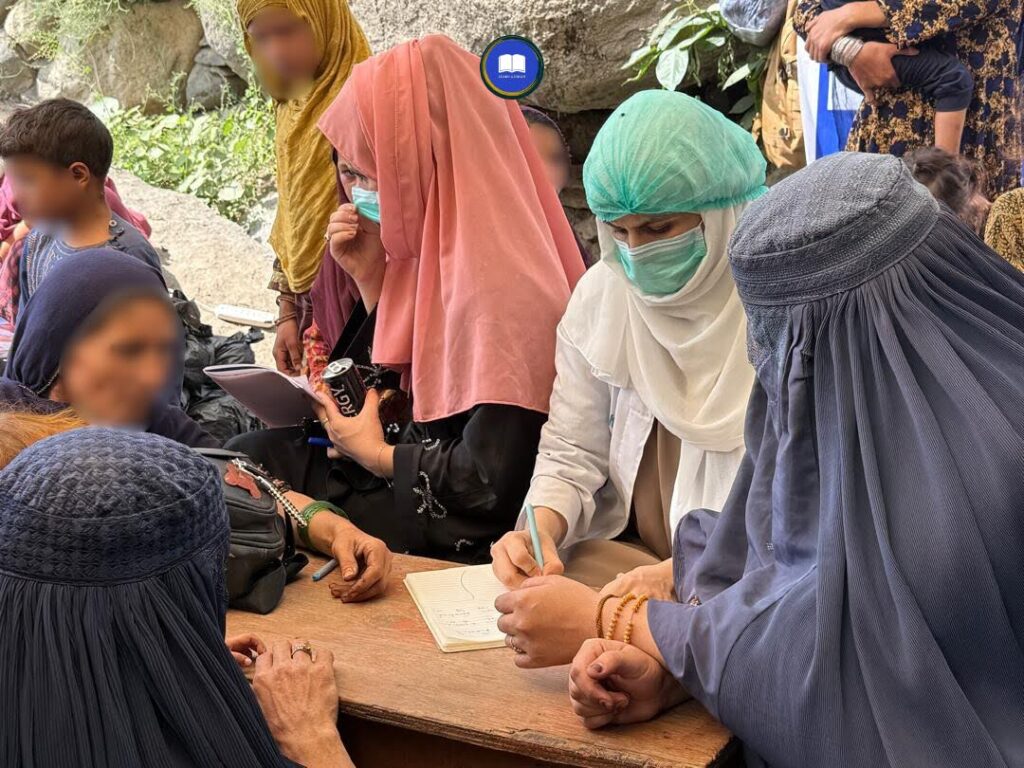
2. Medical Support for Earthquake Survivors
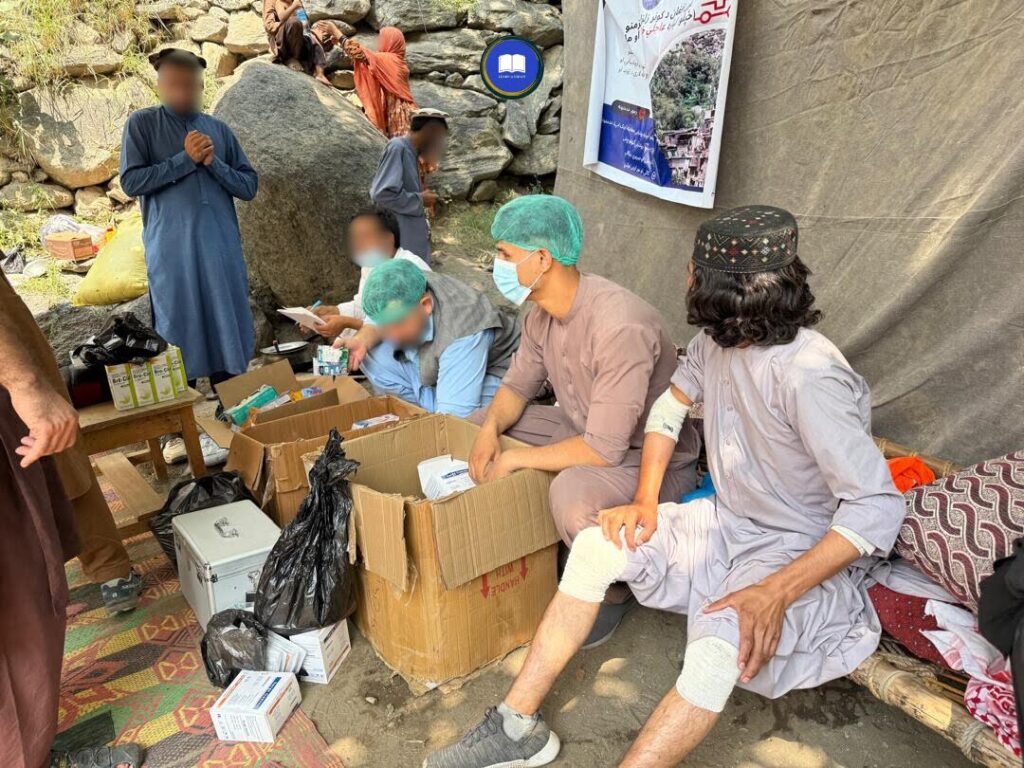
The project provided medical consultations and clinical support to more than 300 people affected by the earthquake.
Using diagnostic equipment, including a portable ultrasound device, the team examined patients, assessed their health conditions, and monitored their recovery. Essential medicines were also distributed. People identified as having serious medical conditions were referred to nearby medical facilities to help them access the care they needed.
3. Hygiene Support and Infection Prevention
Following a disaster, deteriorating living conditions can increase the risk of infectious diseases. Recognizing these risks, World in Peace also provided hygiene support to help prevent the spread of infections and protect the health of affected communities.
4. Support That Takes Women and Girls into Account
In Afghanistan, women and girls face various restrictions in areas such as education, employment, and mobility. Against this backdrop, the project placed particular importance on women’s health and protection.
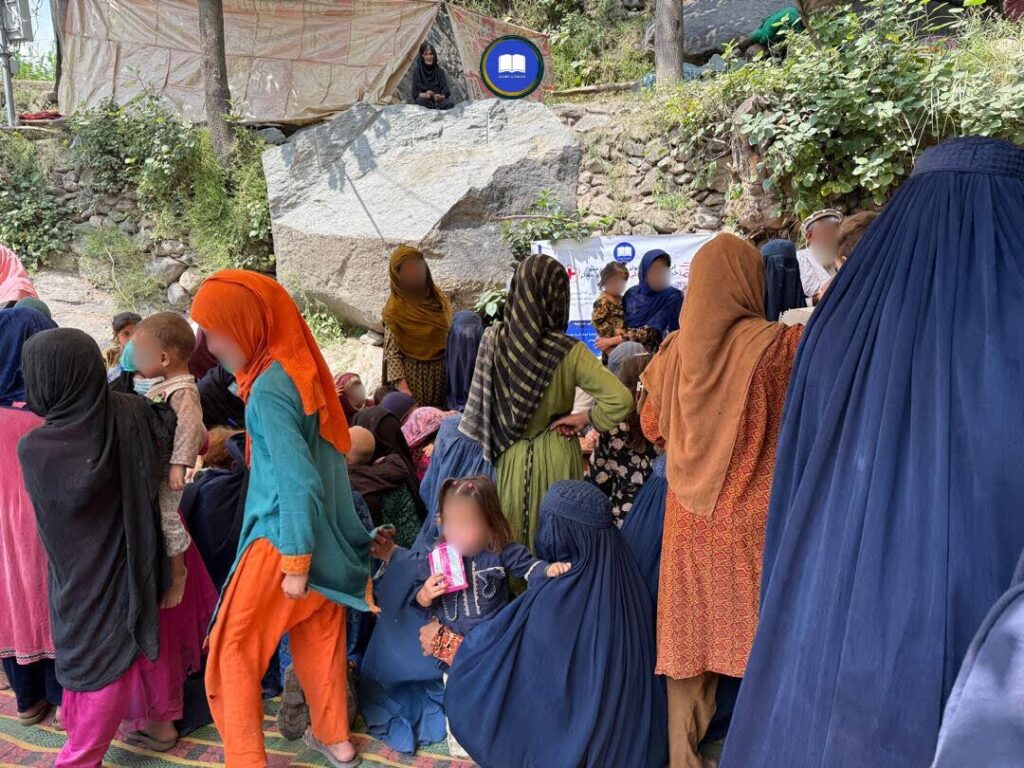
Women and girls made up a large proportion of the people receiving assistance, and female doctors and nurses were included in the emergency response team. The team sought to create an environment where women could access medical care with greater confidence and provided support with consideration for each person’s individual circumstances.
Project Outcomes
Working in partnership with a local organization, World in Peace delivered assistance tailored to the needs of affected communities, from the immediate emergency response to medical and hygiene support.
- Medical consultations and clinical support for more than 300 people: Provided examinations, health assessments, and essential medicines.
- Connections to further medical care: Referred people with serious medical conditions to nearby healthcare facilities.
- Hygiene support and infection prevention: Addressed health risks associated with post-disaster living conditions.
- Consideration for women and girls: Included female healthcare professionals in the response team and supported an environment where women could access medical care more comfortably.
