
Health and Hygiene for All —
Protecting the Future through Medical and Sanitation Support
In 2023, about 4.5 billion people, or nearly half of the world’s population, did not have access to essential health services.(WHO)
The lack of access to healthcare is driven by several factors, including shortages of medical facilities and professionals, poverty and economic inequality, underdeveloped infrastructure such as water and sanitation systems, and the disruption of medical services caused by conflict and natural disasters. As a result, the world faces serious challenges such as the spread of infectious diseases, delayed progress in maternal and child health, and widening health disparities among children.
When we fall ill, we see a doctor. When we are thirsty, we drink clean water. Safe water flows simply by turning on a tap. What feels normal to us is not something everyone in the world can take for granted.
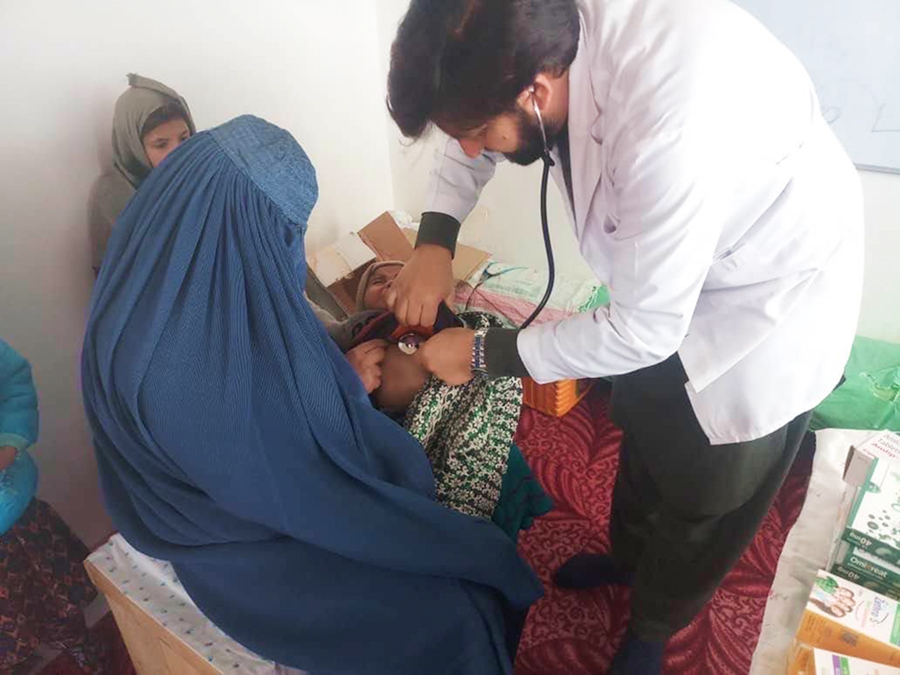
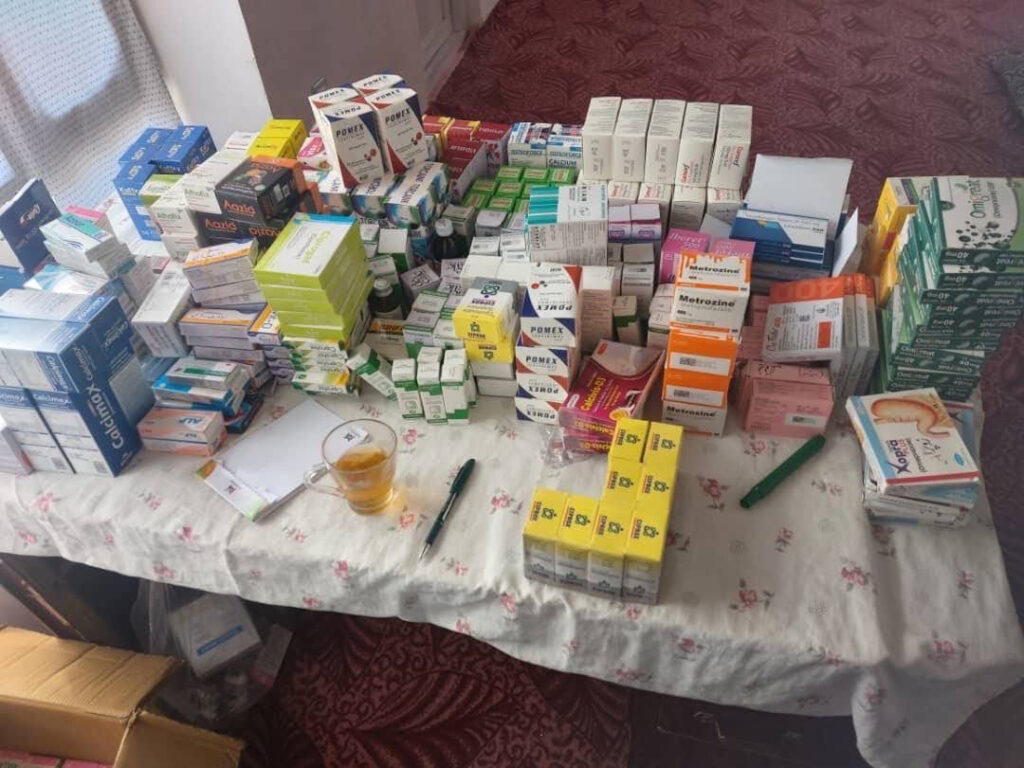
To address this reality, World in Peace carries out local medical and sanitation support activities. These include assisting clinics and medical facilities, providing medicines and medical supplies, and promoting handwashing and hygiene practices. Through these efforts, we work to create environments where everyone can live in good health and safety. Our initiatives help protect the lives and well-being of people of all ages—from children to the elderly.
To address this reality, World in Peace carries out local medical and sanitation support activities. These include assisting clinics and medical facilities, providing medicines and medical supplies, and promoting handwashing and hygiene practices. Through these efforts, we work to create environments where everyone can live in good health and safety. Our initiatives help protect the lives and well-being of people of all ages—from children to the elderly.
Medical and Sanitation Support in Afghanistan
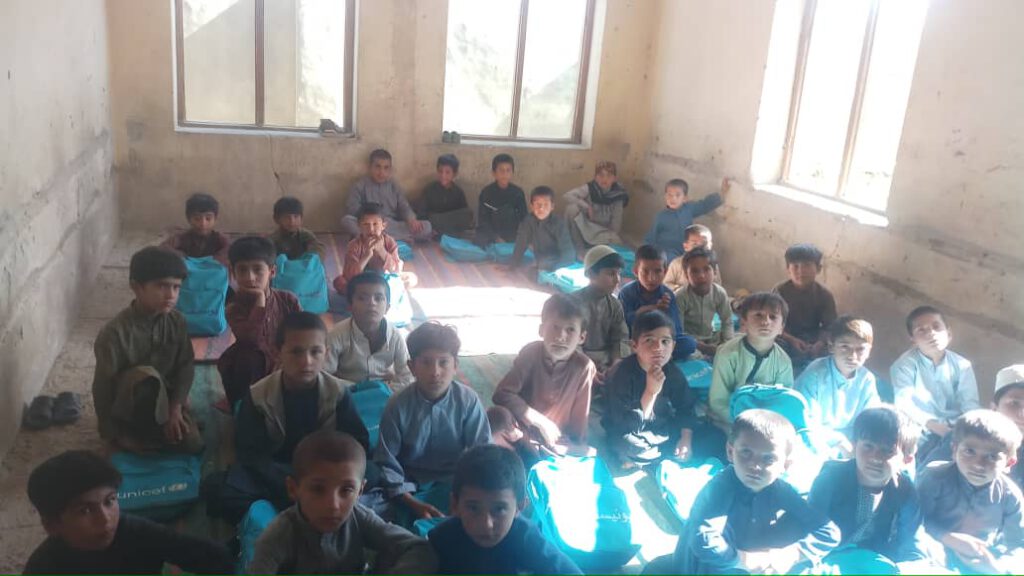
Decades of conflict and instability have left Afghanistan’s healthcare system on the brink of collapse. In many rural areas, families cannot access even basic medical care, and countless women and children go untreated due to poverty and distance. Severe shortages of medicines, medical staff, and clean water continue to threaten lives every day. Despite these hardships, World in Peace works to deliver hope — supporting clinics, providing supplies, and helping communities regain their right to health and dignity.
What We Do
Emergency Medical Support
Saving lives through urgent medical assistance.
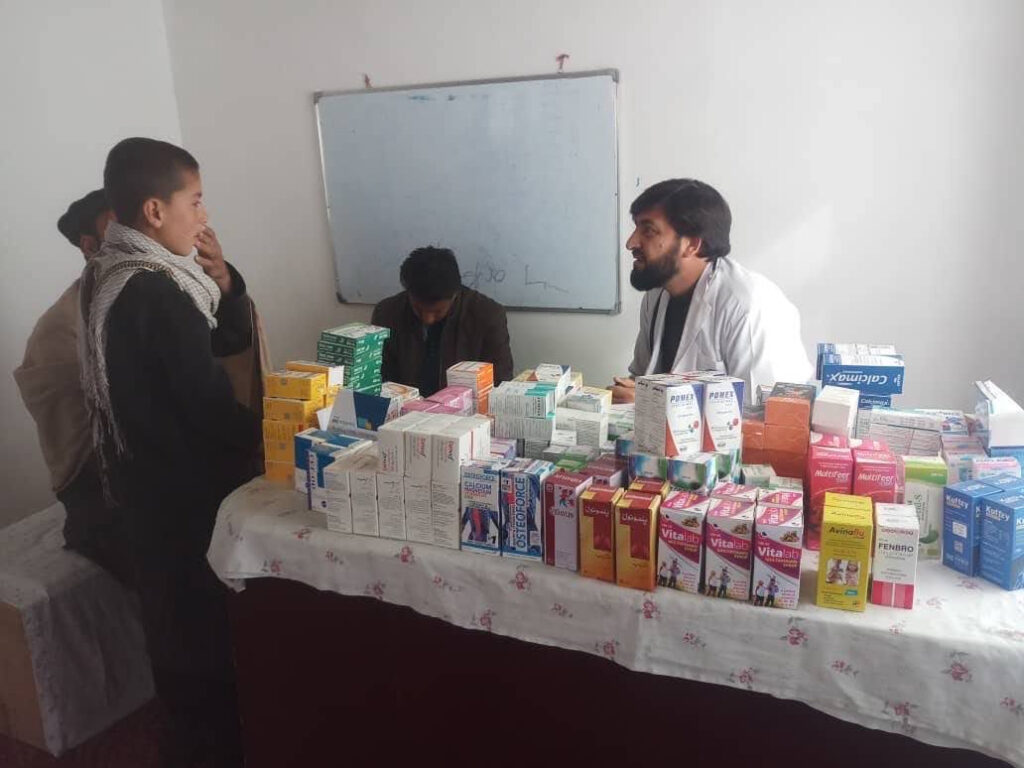
When disasters strike, medical facilities are often damaged, leaving communities without proper care. In developing countries, where healthcare systems are already fragile, survivors face even greater risks. World in Peace provides emergency medical assessments and delivers essential medicines to protect the lives of those affected.
Nutrition Support
In Afghanistan, chronic malnutrition and limited access to healthcare remain serious challenges. Women and children, in particular, face heightened vulnerability and rely on external aid. Working with local partners, World in Peace distributes nutritious biscuits, vitamins, and medicines — helping people maintain their health and live with dignity.
Our Initiatives
Overseas Activities
Earthquake Relief in Eastern Afghanistan
In partnership with LEARN Afghan, World in Peace provided medical support to people affected by the devastating earthquake in eastern Afghanistan.
Nutrition Improvement Project in Afghanistan
This initiative began in 2023 as a personal effort by our Vice Representative, Iwaki. Through creative fundraising activities such as jewelry sales and traditional Japanese ranma (wood carving) workshops, funds were raised to deliver BP5 biscuits and medicines to Afghanistan. What started as a small, heartfelt action has now grown into one of World in Peace’s core programs — advancing our mission to strengthen medical and sanitation support for communities in need.